October 2026
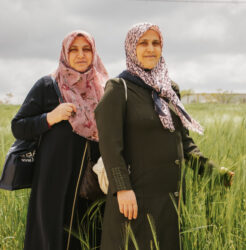
Last month, a research article on improving happiness, resilience, and self-efficacy through the Transcendental Meditation practice was published online in Sage Journals’ Women’s Health edition, which is an open access, peer-reviewed international journal that focuses on all aspects of women’s healthcare. Intended for healthcare professionals, the article described the results of a randomized controlled study of rural Lebanese women who learned the TM technique to reduce the stress of war, corruption, pollution, and inequality.
This issue of our monthly mini magazine discusses that study and then the means by which TM enables all women to experience improved happiness, resilience, and self-efficacy.
- Last month’s blog written by women for women
- Articles:
- A study of rural Lebanese women and TM on happiness, resilience, and self-efficacy
- Happiness
- Resilience
- Self-Efficacy
Blog posts
Have you had a few minutes to read our September blog posts? If you haven’t, the links are below. You can also visit our blog homepage at any time to use our search feature for topics as diverse as Help for the Bullied from 2022 and Re-thinking Drinking from 2020.
Music and the Musician

Excerpts from a 1975 talk by Maharishi Mahesh Yogi
The purpose of music is to create or to generate those very delicate impulses of bliss we call emotions. And let that most delicate value of life be a direct experience. And with this, let every aspect of life be nurtured. Music, or the upsurge of fine emotions, serves to life as fertilizer, serves to freshen all the leaves and branches in a tree – the whole thing.
Beauty and Joy, Even When the World is Too Much

Constant exposure to news and social media expose us to suffering, corruption, violence, disasters, and uncertainty. We discuss, share our creative ideas, donate, volunteer, pray—until we’re emotionally exhausted or numb. We feel that we should be concerned, but it’s just too much all the time for too long a time. So sometimes we stay away from the news and seek entertainment, taking physical or mental vacations from the constant barrage of bad news. This isn’t selfishness or indifference—sometimes the mind and nervous system simply are overwhelmed.
Articles
A Study on TM Improving the Inner Life of Women
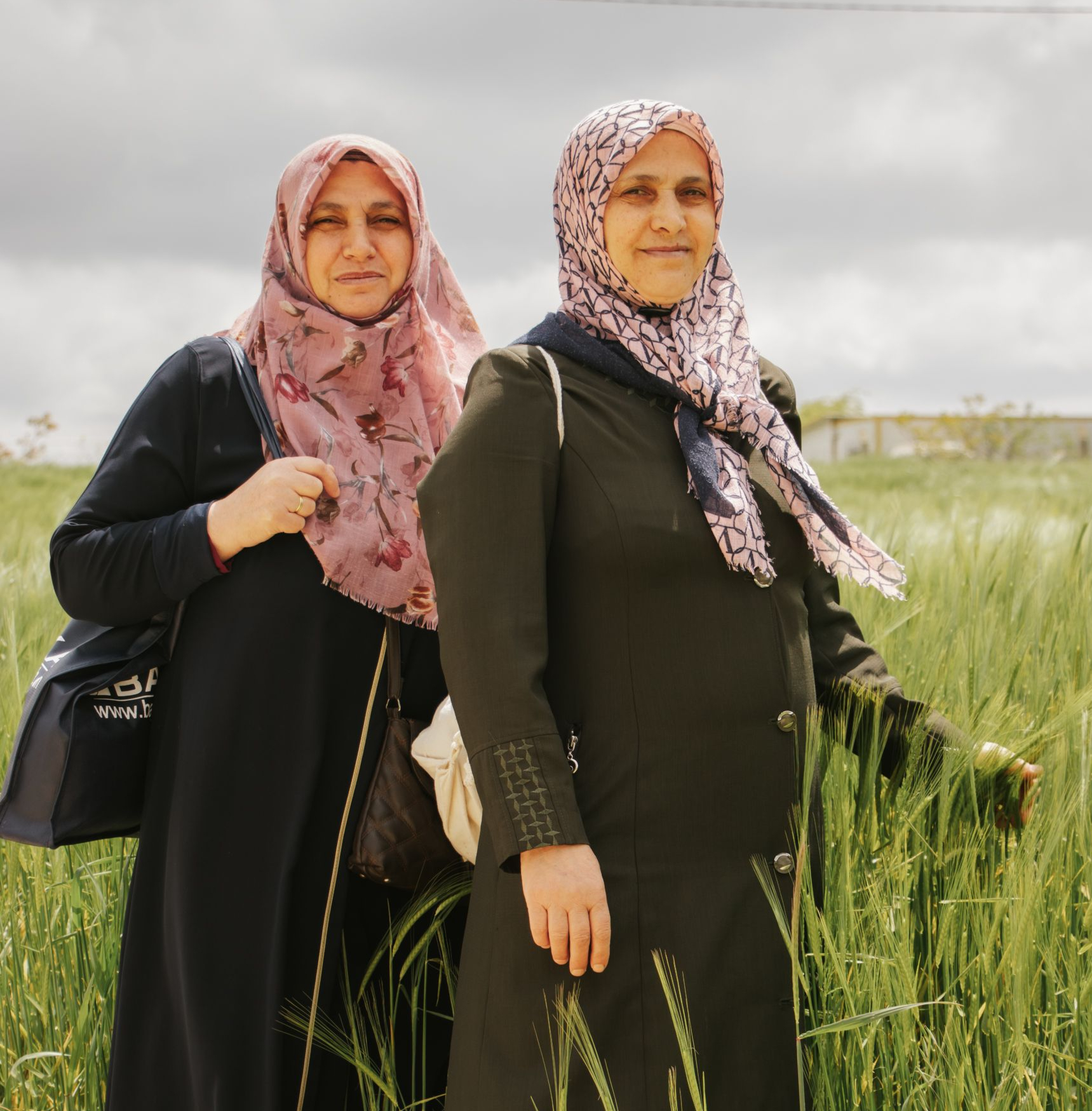
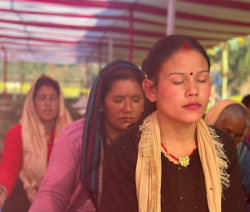
A randomized controlled trial is a scientific study where people are put into groups by chance to test if a new treatment or intervention works. This randomized controlled trial studied 114 rural Lebanese women over a period of three months. Subjects were randomized into either the experimental group, who were taught the Transcendental Meditation practice, or an active wait-list control group who watched and responded to self-help videos.
Women in rural Lebanon face ongoing war, corruption, pollution, and inequality. For women, the effects are often magnified by their second-class citizenship status, as indicated by lower salaries and domestic abuse.
Many suffer from mental health issues that go undiagnosed due to their fear of social stigma against those seeking help—in their society, mental instability is often viewed as weakness or a lack of religious purity.
Historically, Lebanese women have faced systemic issues in asserting their basic human rights. Coupled with an unstable economy and periodic political unrest, these factors make life stressful for these women. This study used the randomized controlled trial to evaluate the effect of the Transcendental Meditation practice on countering those stressors.
All participants were measured before the intervention, and at 1-month, and 3-months using the Perceived Stress Scale, the Connor-Davidson Resilience Scale, the Arabic Scale of Happiness, and the New General Self-Efficacy Scale. These are validated scales widely used in psychology and health research to measure an individual’s mental well-being, coping mechanisms, and internal resources, as follows:
- The Perceived Stress Scale is considered the gold standard for measuring how unpredictable, uncontrollable, and overloaded an individual perceives their life to be.
- The Connor-Davidson Resilience Scale assesses a person’s ability to bounce back from adversity, navigate hardships, and maintain mental flexibility under high stress.
- The Arabic Scale of Happiness is one of the few happiness scales originally developed within Arabic-speaking populations, ensuring cultural relevance for evaluating mental health.
- The New General Self-Efficacy Scale Measures a person’s confidence in their ability to perform tasks, achieve goals, and successfully handle difficult situations.
Because the TM technique is effortless and enjoyable, about 80% of the participants meditated twice-daily as instructed—this high compliance rate indicates that TM is attractive to women living in a culture that discourages seeking help to deal with stress. After three months they were perceiving significant reductions in stress and increases in happiness, resilience, and self-efficacy (self-efficacy = how one sees ones ability to achieve goals) compared to the control group.
Findings indicated that the Transcendental Meditation practice is effective in improving the inner life of rural Lebanese women. It is natural to extend this conclusion to women in general, especially as previous studies and subjective reports in different populations reflect the same benefits.
Happiness

“Expansion of happiness is the purpose of creation,” Maharishi Mahesh Yogi, founder of the Transcendental Meditation technique, wrote in his book the Science of Being and Art of Living.
Counter-intuitive to what we’d imagined and worked for, statistics indicate that American women have become increasingly unhappy despite greater freedom, education and career options. So, let’s take a look at happiness:
Happy people experience happiness as an inner trait, not just a temporary result of success in some area. They tend to have less anxiety. They are productive in the workplace, good at solving problems. Happy people like activities that are challenging. They volunteer more, donate more, and tip more. Happy people have empathy and are better at seeing other viewpoints. They can savor the present and look to the future with enthusiasm. They usually feel that life is meaningful. Studies even show a high correlation between longevity and happiness!
Research is putting scientific measurement behind what practitioners have long described as greater happiness and inner well-being. In the 2026 randomized controlled trial of 114 women in rural Lebanon, three months of Transcendental Meditation produced significant increases in measured happiness. Earlier randomized research has similarly found improvements in positive affect, vitality, flourishing, emotional well-being and quality of life following TM practice.
According to Dr. Stuart Rothenberg, “TM practice has been shown to increase production of neurochemicals associated with happiness and fulfillment—including dopamine, serotonin, and gabaminobutyric acid (GABA). Increase in these neurotransmitters reduces autonomic arousal and anxiety, decreasing the need for drugs or alcohol.” One study found that after 20 minutes of TM practice there was a 50% increase in the 5-HIAA serotonin metabolite.
TM is so effortless that, within just a few minutes, anyone can transcend or go beyond the activity of the mind. This transcending process takes one’s attention to the mind’s deepest level of consciousness from where the energy and intelligence expressed in our thoughts arise—one’s inner potential. That transcendent level, beyond all thought and anxiety and questing, is experienced as the ultimate field of happiness from which all our streams of happiness come. The direct experience of this expansive consciousness satisfies the ceaseless quest for happiness. To find everlasting happiness, one must take recourse to the infinite nature of the mind that is within each of us.
“There is nothing in the world which can really bring lasting contentment to the mind because everything in the world, although it provides some happiness to the mind, is not intensive enough to satisfy the great thirst for happiness of the mind. The only field of contentment is the transcendental field of bliss consciousness.” — Maharishi
Taking time each day for Transcendental Meditation, to bring our mind to the settled state of transcendental consciousness, impacts and improves our overall level of happiness increasingly over time until unbounded happiness is a feature of our everyday life.
“Through TM I have become familiar with the essence of happiness inside of me, as it exists in every person, and when I allow my mind to experience this ocean of bliss inside, I am transformed.” — author Linda Egenes
Resilience
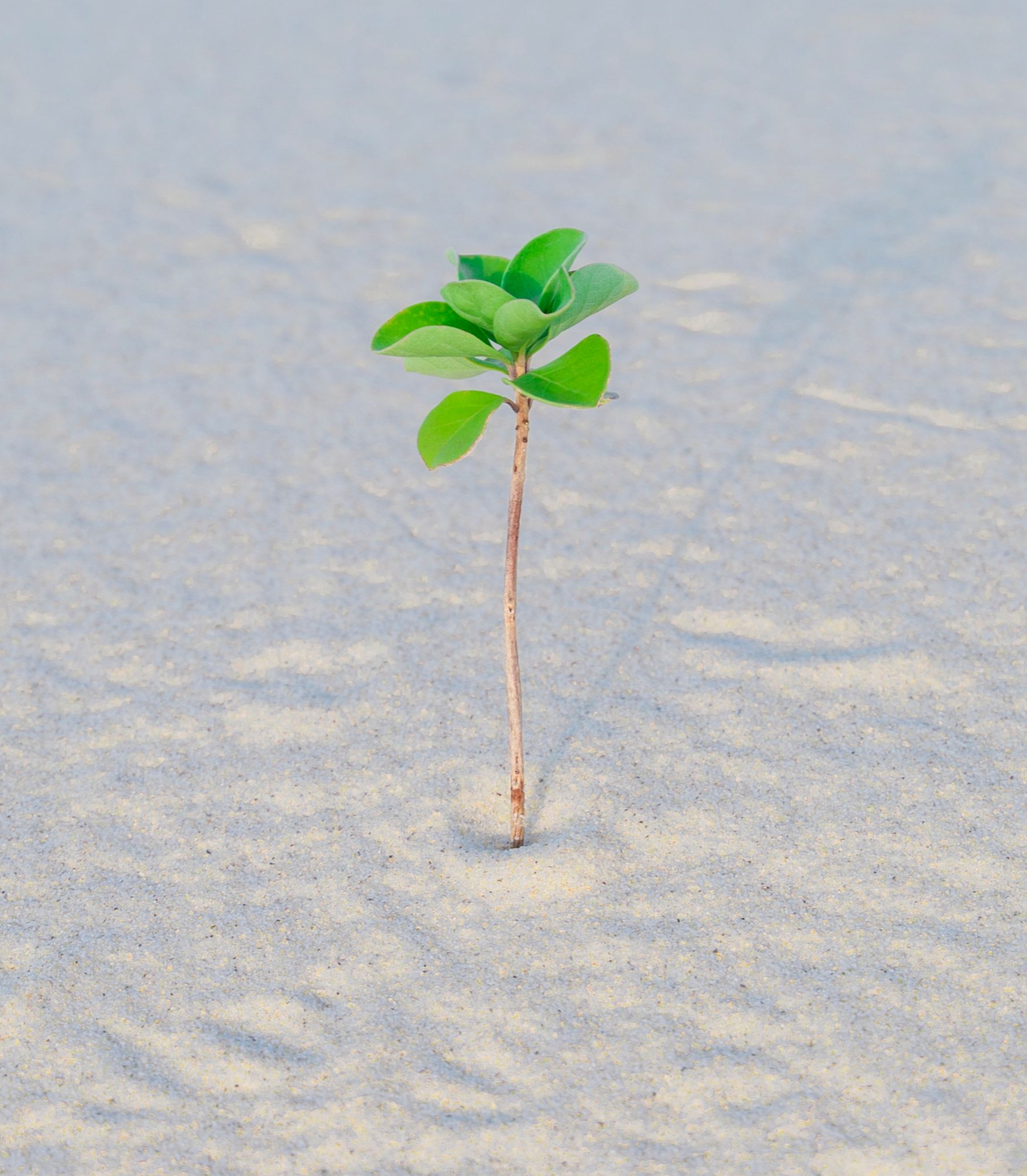
Aside from being able to tough out a grueling schedule or show grit during a demanding task, real resilience is knowing how to recover. Recovering means both mentally, physically and emotionally re-booting. The importance of being resilient increases in proportion to the amount of pressure on us. In its fullest value, resilience is an unshakeable foundation of well-being, continuously maintained.
Debbie Augenthaler, a New York City psychotherapist who specializes in trauma, grief, and loss, explains, “Transcendental Meditation centers and calms the nervous system, which is a key player in the trauma response. Regular TM practice develops a capacity for increased resilience, faster recovery from stress, and helps to manage and reduce anxiety.”
A study published in 2019 in the Journal for Nurses in Professional Development on research at Sarasota Memorial Hospital found clear statistical evidence that the TM technique can directly increase resilience and compassion satisfaction among nurses while decreasing burnout and secondary traumatic stress.
A study published in Contemporary School Psychology, conducted by WestEd (a highly respected educational research, development, and service agency) showed that the Transcendental Meditation technique can significantly reduce anxiety and increase resilience among urban youth.
Research findings published in 2021 in Frontiers of Education, showed that the Transcendental Meditation technique reduces teacher burnout and improves resilience.
Published in the Journal of Continuing Education in the Health Professions in 2023, a randomized controlled trial of 40 academic physicians examined the effects of the TM program on burnout and depression. Importantly, researchers included the Brief Resilience Scale among their outcome measures; the Brief Resilience Scale is a 6-item self-report questionnaire designed to measure an individual’s literal ability to bounce back or recover from stress and adversity.
Developing resilience with regular practice of the Transcendental Meditation technique doesn’t mean learning how to tolerate more stress—it means developing the inner capacity to recover from stress, adapt to change, and remain connected to oneself while meeting life’s demands.
Self-Efficacy

You know you can do it.
You can meet what life asks of you; You can influence what happens; You can find a way forward.
Psychologist Albert Bandura defined self-efficacy as a person’s belief in their ability to organize and execute the actions required to manage prospective situations. It is different from self-esteem: self-esteem is about one’s sense of worth; self-efficacy is about one’s sense of capability.
That capability can be challenged at many points in a woman’s life—entering the workforce, raising children, caring for others, navigating relationships, recovering from adversity, starting over, aging, athletic competition, learning something new, and simply making decisions in circumstances over which you have limited control.
There has been direct research published on TM and self-efficacy in women, including several studies involving women who were experiencing substantial adversity.
TM provides a repeated experience of settling down and transcending ordinary mental activity. The practice reduces accumulated stress and improves one’s ability to remain calm under pressure, so a woman may increasingly experience herself as capable of handling what arises. This is profoundly different from telling a woman to think more positively or simply believe in herself.
In scientific studies on women and the TM technique published in 2018, 2024 and 2026 in Health Care for Women International, researchers found significant improvements in self-efficacy.
That inner conviction that “I can do this” can make the difference between merely enduring life and actively engaging with it—and even enjoying it! Research suggests that TM unfolds this capacity—not by teaching women to push harder, but by giving the mind and body a regular experience of deep rest and inner stability, reducing stress and fatigue, and increasing comprehension, intelligence and creativity.
Editor’s note: We’d love to hear your comments on the benefits you’ve received from the TM practice. And, with your permission, we’ll publish them here for other women to enjoy. Send your comment to info@tm-women.org