November 2026
What connects the sublime and the everyday? Consciousness. Every experience arises from it, and as consciousness develops, every experience takes on greater depth and richness. Our website blog includes articles on a broad range of topics from the perspective of Transcendental Meditation’s founder Maharishi and of women who practice the TM program. In this issue, we revisit some of our favorite posts of the last twelve months.
- Last month’s blog written by women for women
- Editor’s picks from our December 2025 – September 2026 blog posts
- Maharishi Speaks on Emotion and Intellect
- Empty Nest, Full Life: The Advantage gained from Transcendental Meditation
- Advice You Can Rely On: How to Leverage Your Body’s Innate Healing Ability
- Wisdom Keepers: The Role of Grandmothers
- What Your Child Will Get Out of Transcendental Meditation
- Our Inner Advantage in an Unsettling World
- A Complete list of posts: Dec. ’25 – Sept. ’26
last month’s blog posts
Have you had a few minutes to read our wonderful October blog posts? If you haven’t, the links are below. You can also visit our blog homepage at any time to use our search feature for topics that interest you.
The Story of Hurricane Helene and the Relief From Within Project: An Interview with Jeanne Ball
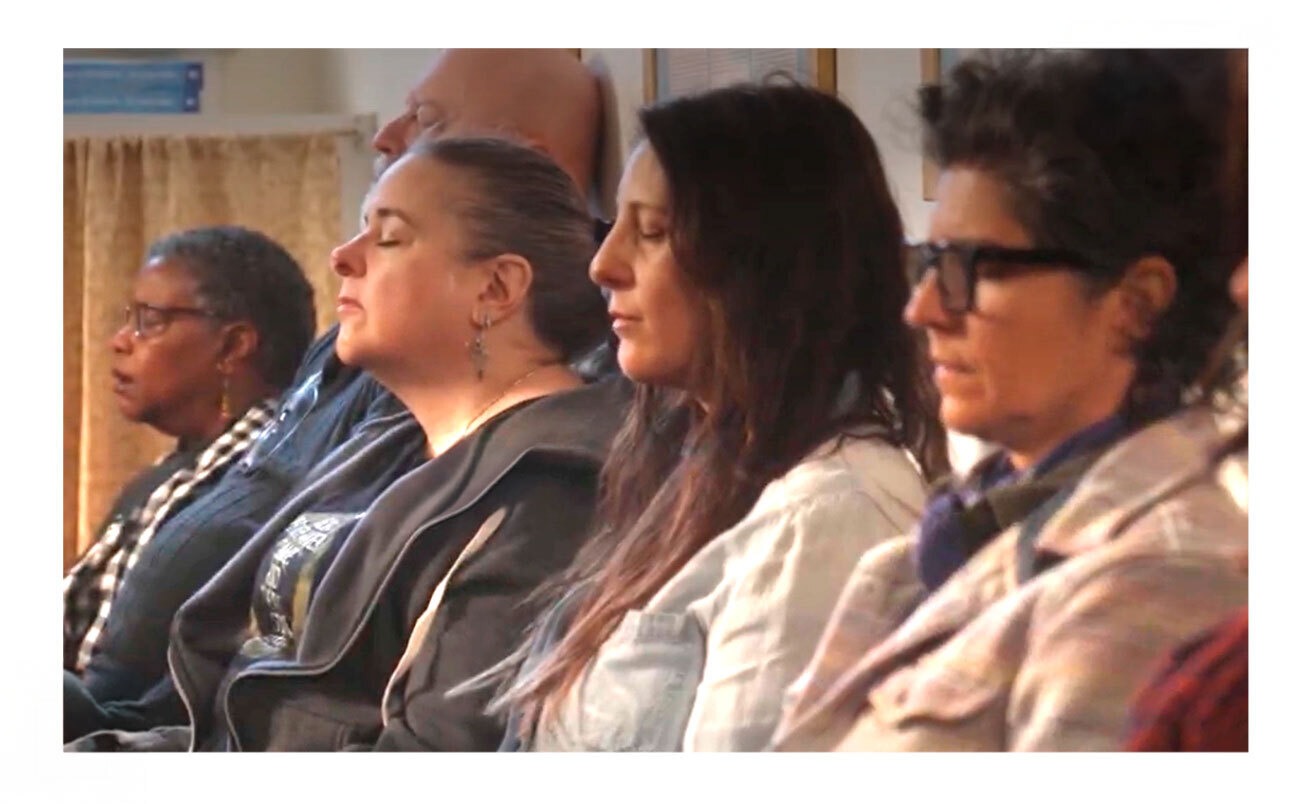
Late in September of 2024, Hurricane Helene created calamitous damage in Asheville, North Carolina.
Swollen by record-breaking rainfall, the French Broad and Swannanoa rivers—cresting at up to 30 feet and 27 feet deep respectively—overflowed, ravaging historic Biltmore Village and submerging the River Arts District. Infrastructural damage from landslides, mudslides, and washed-out roads, along with hurricane-force winds, caused virtually all roadways to close, including the major interstates, completely cutting off physical access to Western North Carolina for days.
The Brain Behind Peak Performance

Neuroscientists have found that during TM practice, the brain produces high-power alpha waves. When the alpha waves become synchronous, the seat of the brain’s executive judgement is strengthened. No other meditation technique has been found to consistently produce alpha coherence throughout the brain. Researchers have found that the experience of “transcending” restores neurological balance, inner silence, and clarity of mind. (ref: Cognitive Processing, 2010)
Now in its second edition publication, a book called World-Class Brain by neuroscientist Dr. Fred Travis and Dr. Harald Harung, an interdisciplinary peak performance researcher at Oslo Metropolitan University, discusses the brain power behind top performers.
Editor’s Picks: Some Favorite Posts
Maharishi Speaks on Emotion and Intellect

December 11, 1971
Question: “I have some questions concerning the relationship between the intellect and the emotions. It seems like there is more talk about the specifics of how the intellect works, I was wondering how the emotions work. Is it true that all emotions are more subtle than all intellectual activity, no matter what the quality of the emotion?”
Maharishi: “Emotions are finer than the intellect.”
Question: “What is the relationship?”
Maharishi: “When the small child says, “Oh, I must have a car.” All the intellectual understanding about the finance and everything, it doesn’t work anymore; he must have a car.
Emotions are finer than the mind, thinking, even though the intellect is the finest aspect of the mind, the emotions just don’t worry about the intellect—keep your decisions to yourself, I want this.
Emotions, emotions. Emotions are more powerful. It’s a good field on which life is really lived, it’s on emotions that life is lived. All intellectual decisions come out of emotions.”
Question: “How is an emotion constructed?”
Maharishi: “Emotion is the wave of that aspect of life which is called Ananda, bliss. Intellect is the impulse of life, which is called Chit, consciousness. Absolute is that state of life, not impulse but state, Absolute is that state of life which is called Sat, that which never changes-Sat. So, Absolute is that state of life, is that state of life which knows no change. Intellect is the impulse of that aspect of life, which is Chit, consciousness.
Emotions are the impulses of that aspect of life, which is Ananda, bliss.
It’s a beautiful thing; they all are on the same level but somehow life is more guided by bliss. The whole stream of life, every impulse of activity is guided by bliss, more and more and more, this is what’s called evolution, more and more and more and more, it’s evolution. And this more and more makes use of the intellect to support it. The intellect always decides in favor of more and more and more and more. This happiness, the impulse of happiness drags along in its direction the intellect.
So, intellect serves emotions. Emotions don’t mind which way the intellect will go; they drag the intellect onto it. It’s by force, it’s like that, like that, makes use of it. So, intellect becomes an instrument to bring fulfillment to emotion.”
Empty Nest, Full Life: The Advantage Gained from Transcendental Meditation
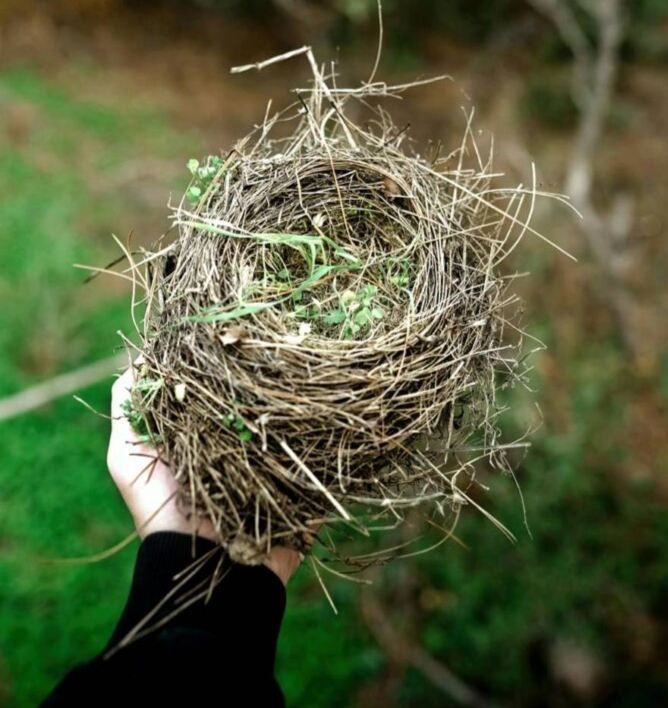
When children leave home and parents face an “empty nest,” a surprising mix of emotions and even physical symptoms can arise. For many women, both at-home moms and moms with demanding careers, it’s not just a shift in lifestyle, but a profound transition.
I am a psychotherapist and the mother of two grown sons. I’ve lived through this transition personally and have accompanied many friends through it. It is a significant stage of life—one that can be rewarding, yet also unexpectedly taxing. For me, understanding what was unfolding, along with the profound relief I experienced through practicing the Transcendental Meditation technique, made all the difference. They were valuable in many ways, as I’ll explain below.
Emotional Responses
Even when the child’s departure is a step forward in their life (college, career, marriage), a mother can experience genuine grief. There is a loss of routine, daily contact, communication, and a change in the mother’s role.
She may be anxious as to her purpose in this new stage of her life or what she can do to find as much fulfillment as she did in daily parenting. Even the briefest interactions and moments of connection in person that added up to a relationship are gone. These changes and sense of loss can feel destabilizing, especially in midlife.
A woman can experience mild depressive symptoms, irritability, and weepiness. To top it off, an empty nester can no longer keep an eye on her child so will naturally worry about the child’s safety or success.
Couples will experience a big change at home because their children have long been a significant focus in their relationship. They might feel happy at having more freedom, but at this time, marital concerns that didn’t take priority before can come to the forefront.
Additionally, the house may simply feel too quiet. Silence can expose feelings that were previously buffered by busyness. Also, the relief of having less day-to-day parenting responsibility can be accompanied by guilt, especially if a woman’s sense of purpose and self-esteem is directly related to mothering.
Advice You Can Rely On: How to Leverage Your Body’s Innate Healing Ability

More than ever before, there are unending and changing opinions and advice on what is best for us medically: what to do, what not to do, when to do something, how much to do it, who should do it. From family, the government, the medical profession, friends and strangers, from endless sources—both scientific and non-scientific—opinions are coming at us; it can be confusing, frustrating, and exhausting.
Fortunately, there is one thing we know from our own experience that is undeniable, useful, and reassuring. And that is the fact that our bodies are already hardwired to correct and repair as much imbalance and damage as possible.
Our bodies have inherent healing mechanisms. There are so many examples of this that are common to everyone. Some examples? It is the natural intelligence inherent in our bodies that grows us from an infant to a five-year-old and to a 20 year-old and so on. It is inherent intelligence in our body that makes us cough—we certainly don’t instruct ourselves to cough. Same for sneezing, and yawning. When something gets in our eye, we don’t tell our eye to start washing it out—the tear glands take care of it automatically. When we get an infection, the body’s natural immunity is activated and tries to fight it off. There are so many examples from minute to minute, day to day, and all lifelong.
This natural ability of the human body is, unfortunately, hindered by stress. When stress and fatigue overload our physiology, the effectiveness of our innate self-healing mechanisms declines. This is where the Transcendental Meditation (TM) program—recommended by TM for Women and beneficial for people of all ages and backgrounds—plays a vital role. TM significantly reduces stress and fatigue, allowing the body’s inherent intelligence to function freely and support a wide range of health benefits.
One of the most comprehensive studies on the health benefits of the TM technique was out of Canada. A landmark study, comparing 2,000 Blue Cross and Blue Shield members who practiced TM with 600,000 non-meditating members over a five-year period, found that the TM group had consistently lower medical utilization rates. Significant research results included:
Wisdom Keepers: The Role of Grandmothers

Grandmothers have long held a subtle yet powerful role in human society as repositories of wisdom, emotional grounding, and stability within families and communities. Across cultures, older women have traditionally served as moral guides and calming presences during times of stress, conflict, and uncertainty.
Cultures around the world recognize and honor these elder women in unique ways: For example, Nonnas in Italy, Babushkas in Russia, NaiNais in China, Abuelas in Mexico, Yayias in Greece, Dadis and Nanis in India, and Halmoni in South Korea all reflect traditions that value the wisdom of grandmothers. In Indonesia, grandmothers help settle major family disputes, while in Ghana they are consulted by village leaders to resolve community conflicts. In many North American Indigenous traditions, clan mothers guide communities, mediate disputes, uphold harmony, and even help select or remove Tribal leaders.
Modern psychology increasingly supports what traditional societies have long understood intuitively: emotionally grounded older women can profoundly influence the wellbeing of younger generations. Research published in Current Psychology suggests that grandparents help younger family members develop emotional regulation and social competence, while studies in Frontiers in Psychology associate grandparent support during childhood with improved emotional wellbeing in adulthood. Grandparents often act as emotional buffers that reduce stress and protect against mental health challenges.
Grandmothers also preserve family traditions, recipes, language, celebrations, and stories, helping younger generations remain connected to their cultural roots and family identity. They strengthen family bonds by bringing relatives together, serving as peacemakers during conflict, and offering practical support through childcare, parenting guidance, and everyday assistance. Through their example, they model values such as kindness, patience, resilience, compassion, and respect, while family stories and memories help children develop a stronger sense of identity and belonging.
However, becoming a source of calm and wisdom is not guaranteed simply by aging. Many older women carry significant responsibilities—caring for spouses, supporting adult children, helping raise grandchildren, and managing modern-life pressures—which can result in stress and fatigue. The calm presence often associated with wise grandmothers is not merely an innate personality trait, but a quality that can be consciously cultivated.
What Your Child Will Get Out of Transcendental Meditation

You love your children—they are the sun and the moon and the stars. But sometimes they have difficulties you don’t know how to address successfully. Fortunately, children, as early as age 10, can learn and practice Transcendental Meditation easily in the same way adults are taught. This article discusses what they (and their parents) can derive from the TM technique.
Same practice—different expressions
There is a broad range of benefits that TM will deliver to children. Every child is unique in her personality, strengths and weaknesses, so some child will notice one result from meditating while another notices a different one. One might notice greater athletic ability while another increases her social circle. In general, for example, a 10-year-old may simply become happier and easier to be around. A middle schooler becomes more balanced and focused. A teenager feels less overwhelmed and more self-directed. Over time, with regular meditation, everyone experiences most of TM’s benefits. All will gain inner stability and self-confidence, and will be less prone to picking up bad habits from other kids.
The TM technique gives kids, at every stage, a way to reset from the inside out.
More than 430 research studies have been published on the Transcendental Meditation program. The benefits indicated usually apply to people at every age (i.e. reduced stress, reduced anxiety and depression, better relationships, etc.). There has also been research specifically on children and students. Across multiple studies of students and adolescents, TM has been associated with:
- Reduced anxiety, stress, and depressive symptoms
- Improved academic performance and test scores and reduced absenteeism
- Enhanced cognitive function and brain integration
- Greater emotional regulation and self-awareness
Let’s delve into specific areas of interest.
Brain and focus
From late childhood through adolescence, the brain is undergoing major integration.
Published studies show that TM is associated with more coherent brainwave activity, better integration between brain regions, and improved executive functioning. These findings correlate with clearer thinking, more manageable emotions, and increased ease and efficiency of learning.
Around age 10–12, the academic load sharply increases—but the brain is still wiring its capacity for attention. TM reduces the internal “noise” that interferes with attention. This translates in the child’s life as longer attention span, clearer comprehension, and less mental fatigue.
Our Inner Advantage in an Unsettling World
In our modern world, just being aware of what is happening around us can diminish our sense of well-being. So just for a change, a couple of times a day, look within instead.
In the mind’s relentless search for security and happiness, our individual leanings find endless directions to pursue—travel, wealth, entertainment, purchases, achievements, relationships, better news. The promise of something new, something different, something better is always alluring to a mind that is not established in peace. It’s natural to pursue these leanings—and the result can be satisfying for a while—but there is no lasting satisfaction if the nervous system is fatigued or stressed and the mind is caught up in the world of choice.
Of course, the constant availability of other choices and the inevitable need to pursue new choices does often reward us with joy when we meet success. However, when we don’t meet with success or the fulfillment doesn’t last, that causes fatigue, stress, disappointment, uncertainty, and loss.
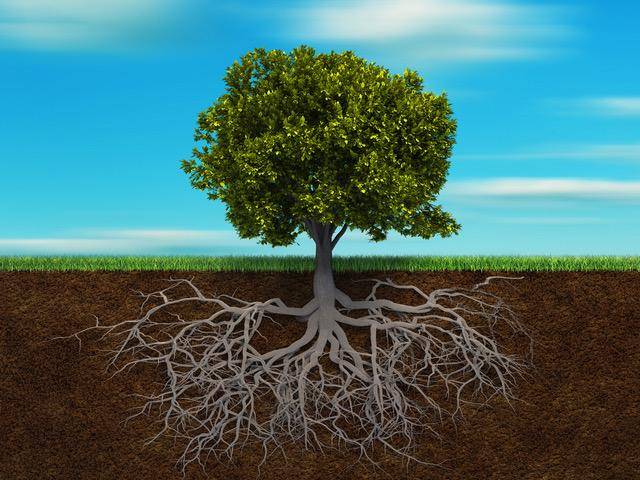
It’s a paradox that the modern world trains us to look for security, validation and fulfillment through our actions while all of these can be found by going within ourselves. Action is based on thinking and, in turn, thinking is based on our inner foundation of Being. Activity and thoughts fluctuate, but within the mind the field of pure Being at their source is stable and absolute. For the most part, you can’t control the upheavals of the world, but you can tap into and cultivate an inner stability that isn’t dependent on circumstances.
All November ’25 – October ’26 blog posts
A collection of articles in chronological order from the present to the past
- The Story of Hurricane Helene and the Relief From Within Project: An Interview with Jeanne Ball
- Beauty and Joy, Even When the World is Too Much
- Music and The Musician
- The Extraordinary Pianist Hiroko Sasaki: Silence in Performance
- Our Inner Advantage in an Unsettling World
- An Interview of Dr. Amy Knoblock-Hahn: Advancing Health Through Nutrition and Lifestyle
- Development of Perfect Mind-Body Coordination: The TM Program to Improve Athletic Performance
- This Summer, Let TM for Women be Your Travel Guide to the Ultimate Stay-cation
- Wisdom Keepers: The Role of Grandmothers
- The Family of Nations
- What Your Child Will Get out of Transcendental Meditation
- Dissolving Stress to Awaken Your Body’s Intelligence
- Shedding Winter’s Layers: TM Dissolves Built-Up Stress
- Empty Nest, Full Life: The Advantage Gained from Transcendental Meditation
- Maharishi Speaks on Emotion and Intellect
- New Research Affirms the Benefits of Transcendental Meditation
- A Simple Guide to Healthy Happy Mothers and Babies: An Interview with Author Margaret Mullins
- Author Ann Purcell Discusses Silence
- Maharishi Speaks on Transcendental Meditation and Spiritual Unfoldment
- Five Fundamentals of Progress: A Scientific Path to Self-Improvement
- Advice You Can Rely On: How to Leverage Your Body’s Innate Healing Ability
- Saving the Ocean from Deadly Noise Pollution: An Interview with Kathy Matara PhD
- The Profound Teachings of Maharishi Mahesh Yogi
Editor’s note: We’d love to hear your comments on the benefits you’ve received from the TM practice. And, with your permission, we’ll publish them here for other women to enjoy. Send your comment to info@tm-women.org