November 2025
From heart health to parenting teens to shopping, all that we experience has its foundation in consciousness. And everything we experience benefits from the expansion of consciousness. Our website blog includes articles on a broad range of topics through the lens of the TM program. In this issue, we revisit some of our favorite posts of the last 11 months.
- Last month’s blog written by women for women
- Editor’s picks from our December 2024 – October 2025 blog posts
- How to Stay Cool, Calm and Collected Amid December Celebrations
- How TM Helps Alleviate the Flight or Fight Response in PTSD Patients
- Broken Heart Syndrome: How Heartbreak (and Loneliness, Depression, Anxiety) Affects Your Health
- How Does Transcendental Meditation Heal the Mind (From a 1959 talk by Maharishi)
- Transcendental Meditation Strengthens Heart Health in Women of All Ages
- In Partnership with Nature: Interview with Farmer Holly Reichert
- A Complete list of posts: Dec. ’24 – Sept. ’25
last month’s blog posts
Have you had a few minutes to read our October blog posts? If you haven’t, the links are below. You can also visit our blog homepage at any time to use our search feature for topics that interest you.
The Omnipresent Nature of Consciousness
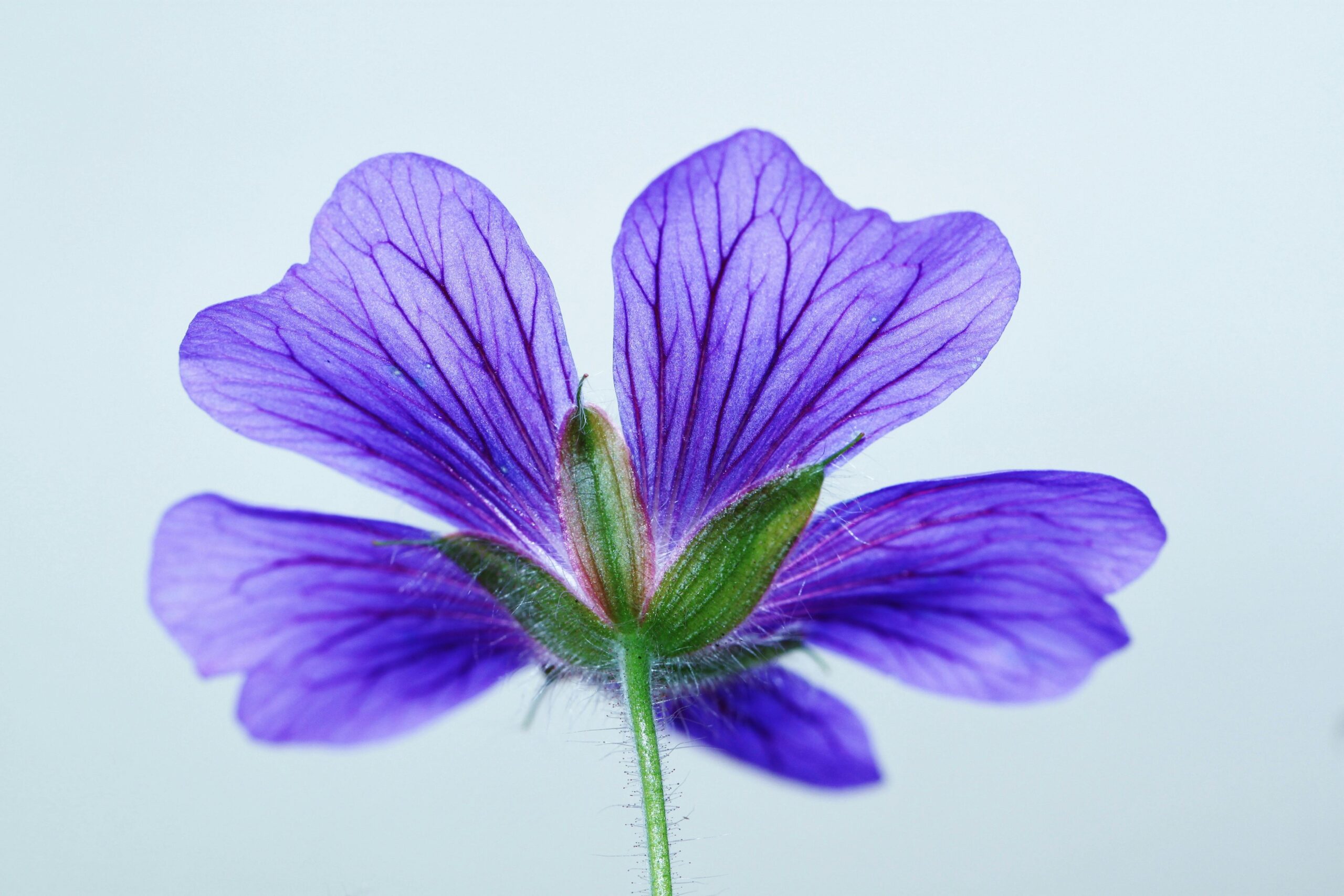
A talk by Maharishi Mahesh Yogi given on August 22, 1970 at Humboldt College, California
Audience question: “We said that Being is pure awareness, and also we have said that everything that exists, by virtue of its existence, is made up of Being. Does everything that exists have awareness?”
Maharishi: “Some less and some more. This is relativity. Somewhere less, somewhere more, but awareness is there. Do you see the petal? (Maharishi shows a flower.) If you see it closely, you can see the nervous system of a petal.
A Widow’s Memoir: The Role of Transcendental Meditation in Navigating the Healing Process
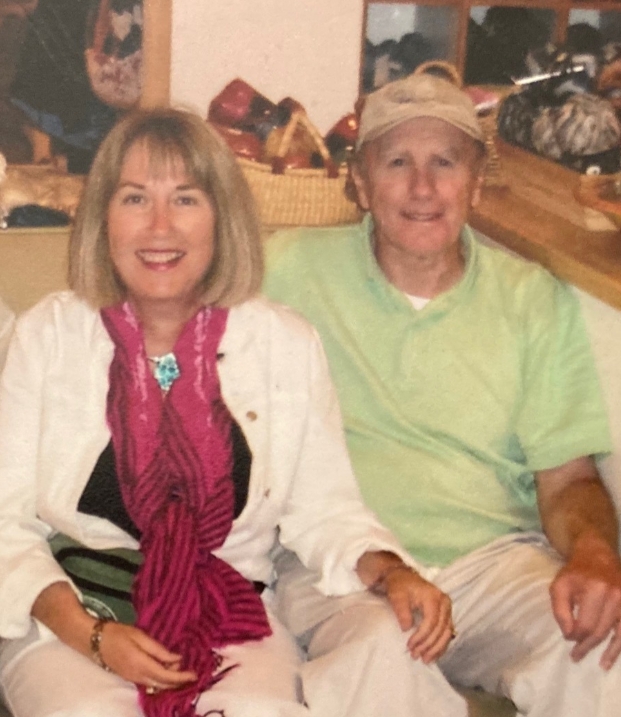
It’s been 14 years since my husband Harry passed away. I still think of him everyday and the love and appreciation I had for him has grown even more. At the time of his passing, I was fortunate to have strong support from my family and friends—I wasn’t alone. I think a harder situation in becoming a widow would be if one lives alone afterwards.
I took it one day at a time. I got up everyday and put one foot in front of the other. What else can you do? Looking back now, I see I had some degree of PTSD. My mind, body, and soul were in shock because his passing happened so suddenly. We never got to say goodbye.
Editor’s Picks:
Some Favorite Posts of the Last Twelve Months
How to Stay Cool, Calm and Collected Amid December Celebrations

It’s almost Christmas. Or perhaps you celebrate Gita Jayanti? Observe Ashura? Revel on Krampus Night? Mark St. Nicholas Day? Commemorate Bodhi Day? Honor St. Lucia? What about Chanukah? And Zartosht no-diso? Kwanzaa?
Truly December marks the honoring of days that are important to many people of many faiths. For all of us, it’s a time to acknowledge and uphold deeper values of life. Even those who don’t adhere to one faith or another celebrate family and wish for peace on earth, culminating in grand hopes for the new year.
However, for so many women, the holiday season is overshadowed by stress. Whether you’re knee-deep in preparations and hosting, or you’re traveling and bunking down in someone else’s house, there can be a lot of pressure. Finances are often strained at this time of year. Family members we’d rather not see are front and center. Conversely, we may be sad about loved ones who aren’t able to be with us. Keeping our cool is sufficient, but it’s preferable to bring a full heart to our holiday events. Harmonious relationships rely on the ability to give, but giving is not just about gifting—it’s about appreciation and love.
How TM Helps Alleviate the Flight or Fight Response in PTSD Patients

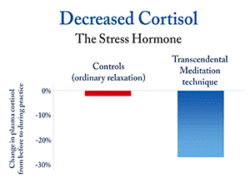
Post-traumatic stress disorder (PTSD) is a condition a person may develop after experiencing or witnessing a distressing or terrifying event. The fight-or-flight response of people with PTSD remains overactive, causing them to mentally relive the severe trauma over time and disrupt them for life. Although clinicians don’t fully understand why and how this disorder occurs, at least one program has proved to reduce the stress in the nervous system as well as help symptoms — the Transcendental Meditation (TM) technique.
How does the TM program help people with PTSD? While the body of research on this non-medical intervention is still growing, knowing more about how this meditative practice works will help you see how it can quiet the stressed mind, give deep rest to the nervous system, and help patients find peace.
Understanding the “Fight-or-Flight” Response in PTSD
The fight-or-flight response is an unconscious action. It’s a survival mechanism best understood in mammals, particularly humans. Your senses collect information, which goes to the amygdala for processing. When it perceives danger, the amygdala sends a distress signal to the hypothalamus, which tells the adrenal glands to pump adrenaline into your bloodstream.
The adrenaline rush increases your heart rate, pushes more blood into your muscles and vital organs, widens your airways, sends more oxygen to your brain, and releases glucose and fats. These physiological changes sharpen your senses, enhancing brain alertness and supplying additional energy to help you fight the threat or flee for safety. Your hypothalamus, pituitary gland and adrenal glands orchestrate another cascade of stress hormones when the adrenaline wanes and you’re still in danger. Ultimately, your body produces a surge of cortisol to remain active and on high alert. It subsides only when the threat passes.
Broken Heart Syndrome: How Heartbreak (and Loneliness, Depression, and Anxiety) Affects Your Health

“Broken heart syndrome is the dilation and stunning of the heart, appearing as a heart-attack, solely by the surge of stress hormones in the body. It occurs due to stressful situations, and the heart looks as though it has suffered a heart attack. The condition often resolves but in the initial stages of development, could be dangerous. The mechanism is stress, and the key to prevention is diminishing stress. TM could help to prevent the excessive release of stress hormones that lead to this frightening condition.”
– Dr. Suzanne Steinbaum Cardiologist, Leader in Women’s Heart Health, a New York Times Super Doctor, and a Castle and Connelly Top Doctor for Cardiovascular Disease
Most common in women over 50 years of age, broken heart syndrome was first identified in Japan and is medically called Takotsubo cardiomyopathy and also stress cardiomyopathy. Patients are often temporarily prescribed medications such as beta-blockers and usually recover completely. The occurrence is frightening enough the first time so it’s fortunate that the risk of recurrence is low.
Causes: Your Emotions and Heart Health
Traditional Eastern health systems noted the connection between emotions and health, and Western medicine is now beginning to understand and objectively verify those observations. University of Louisville cardiologist Lorrel Brown, M.D., says there is definitely a correlation between cardiac problems and an extreme event or period of loneliness, depression and anxiety.
Dr. Brown says that broken heart syndrome is the clearest and most dramatic example of the effect of emotions on heart health and reports that “there’s ongoing research now into the question, ‘Is there some way to intervene?’”
How Does Transcendental Meditation Heal the Mind
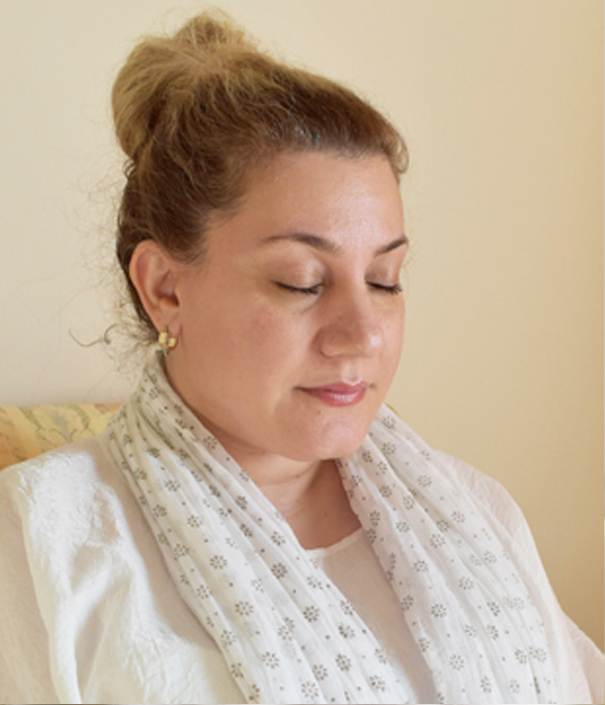
An excerpt of a May 1959 lecture by Maharishi
“How does meditation heal the mind? The suffering, the agony of mind is: the poor fellow is not satisfied for his thirst of happiness. Mind is thirsty for happiness, greater and greater. At every moment it wants greater and greater joys.
From where it may come, but it should come, the joy should come and the joy should be added on, greater and greater. Mind is not finding any object anywhere which could satisfy this great thirst of the mind. It’s always wandering from here to there, just in search of great happiness, in search of that great happiness which will be permanent in its nature and which will be able to satisfy the great thirst of happiness of the mind. This is the agony of the mind. This is the suffering of the mind.
Readily the meditation leads the mind from this field of experience which fails to satisfy its thirst of happiness to the field of the subtler nature, which is more glorified than the field of the gross nature, and ultimately to the subtlest field of nature, Transcendental Reality, where the mind becomes bliss. It not only enjoys it, but becomes it.
When the mind becomes it, the individual mind becomes universal mind. The glory is greatest. It’s bliss, pure. Then the thirst of happiness of the mind is satisfied. When the thirst of happiness of the mind is satisfied, all agony of the mind disappears. Mind is blissful, submerged in bliss, becomes bliss. No tensions, no desire, nothing of worry, no misery left. The misery of the mind is not finding any medium of great happiness. Meditation leads the mind directly to the field of greatest happiness.
Great happiness inside, and the mind goes to it and comes out, and immediately tensions are released. Many medicinal-minded people have called this meditation to be the non-medicinal tranquilizer, (which) immediately tranquilizes the mind.
And this tranquility of the mind is just a side gain, not the main goal of meditation, just a side gain. Just as when we grow a tree of an apple, we do it for the sake of good apples, good fruit, but we enjoy the shade–and the shade of it comes much earlier than the fruit comes. So this tranquility of the mind is just the first gain of meditation, immediate byproduct of it. Not very important, not the goal of it, but it’s of great use in practical life today. That which is the headache of the best minds of the western world today, the question of tranquility, it’s a side gain; it’s a byproduct of this simple system of meditation, which needs nothing, only guiding the mind to go to the deeper levels of consciousness, unfolding the greater glories hidden there, experiencing positively, and coming out with that great happiness. This is how meditation heals the mind–immediately.”
Transcendental Meditation Strengthens Heart Health in Women of All Ages

There are many choices a woman can make to protect her heart health and possibly the most powerful of these is to learn and regularly practice the Transcendental Meditation technique. It’s estimated that 80% of heart disease, including heart attacks and strokes, can be prevented through lifestyle changes.
Learning Transcendental Meditation creates a strong foundation for the success of these lifestyle hacks in a woman’s life:
- Maintain a healthy weight. The Transcendental Meditation technique reduces impulsive behaviors, decreasing the likelihood of bad habits such as binge-eating.
- Eat a heart-healthy diet. TM enhances mental clarity, making it easier to weigh options and make well-considered decisions
- Exercise regularly. The TM program increases energy, mind-body coordination, and endurance. It promotes a faster recovery from stress, fatigue and the side-effects of strenuous activity.
- Reduce alcohol. Several studies indicate TM’s success in reducing alcohol consumption. A comparative analysis published in Alcoholism Treatment Quarterly revealed that the effect of Transcendental Meditation on alcohol consumption was 2 to 4 times greater than all other methods in the study. (p=.009).The effect of TM on “serious users” was even stronger.
- Stop smoking and vaping: A meta-analysis of 131 studies on smoking cessation methods, including pharmacology, individual counseling, self-help kits and unconventional treatments, showed the TM technique to be at least twice as effective.
- Move more: It’s healthier to move throughout the day, so interrupt long periods of sitting. The TM practice reduces fatigue, allowing you to “get up and go!”.
- Decrease stress: There’s overwhelming evidence that indicates stress has a detrimental impact on heart health. As decades of published research has shown, the TM technique is an immediate, highly effective stress-buster.
- Be alert to all risk factors and consult a doctor. Fortunately, research on the Transcendental Meditation program indicates that TM decreases the appearance and impact of most heart health risk factors. Read Here.
Younger women are also vulnerable
Heart attacks are observed to be increasing in adult women younger than 54 years of age. Although heart attacks in the age bracket of 18 to 44 are rare, they have increased more than 66% since 2019. This is partly because of lifestyle changes beginning during the Covid pandemic and partly due to rIsk factors for heart disease being more common now at these ages than in the past.
In Partnership with Nature:
Interview with Farmer Holly Reichert
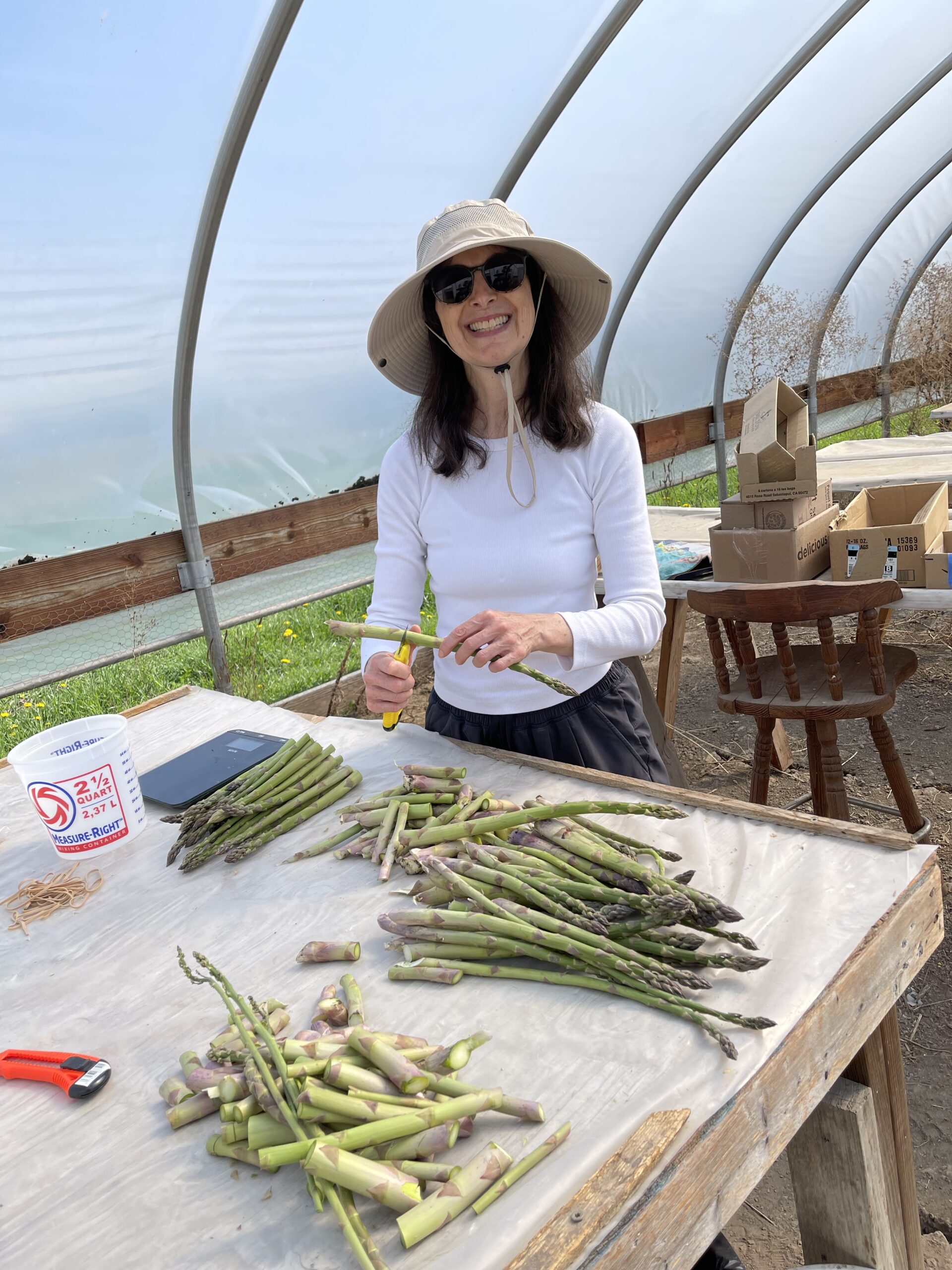
Today, 1.2 million farmers, more than a third of all US agricultural producers, are women. Women farmers find their relationship with the land to be intimate, precious and healing. The increasing number of women in farming is partially due to their desire for a healthier and more sustainable life. Naturally, women find fulfillment in watching things grow and nurturing them. Holly Reichert is one of these women, tending to 5.5 acres in Iowa. We spoke to her, between cultivating and harvesting, one day in July.
Q: Thanks for speaking with us, Holly.
First, what was your background before choosing farming as your occupation?
A: I was a public high school English teacher and school/district administrator.
Q: What inspired you to become a farmer?
A: I have a desire to work with nature, be in nature, learn from nature and share that with others through producing food. I love creating and sustaining a beautiful place for people to come and experience nature and the growing of food.
Q: Can you describe your experience of farming and explain perennial crops?
A: I am new to farming and am also in a five-month regenerative organic agriculture certificate program, so I’m learning both theory and practice as I work. I had bought an established farm that has perennial crops.
Perennial crops are plants that live for more than two years, often producing harvests for multiple years without needing to be replanted each season. Unlike annuals, which complete their life cycle in a single year, perennials have a longer lifespan and can be harvested repeatedly. They include fruit trees, nut trees, some vegetables, and herbs.
Common examples of perennial crops include apples, grapes, strawberries, almonds, walnuts, asparagus, rhubarb, and many herbs. Perennial crops are important—they require less tilling, planting, and potentially less pesticide and fertilizer use. They can help with soil conservation, erosion control, and water infiltration, so perennial agriculture can reduce the environmental impact of farming.
Q: What were your first crops?
A: My first experience was this Spring, harvesting asparagus and sour cherries. And I now have a great crop of peaches!
All December ’24 – September ’25 blog posts
How to Stay Cool, Calm and Collected Amid December Celebrations
New Report Focuses on Women’s Risks for Stroke
A Beginner’s Candid Interview About TM
Teaching Children About Love and Acceptance: An Interview with Children’s Book Author Arlene Maguire
How to Make Your Relationship Soar and What to do if Doesn’t
How Transcendental Meditation Helps Alleviate the “Fight-or-Flight” Response in PTSD Patients
How to Produce a Life-Supporting Effect Through Every Thought and Action
The Role of Transcendental Meditation in Diabetes Prevention and Management
Broken Heart Syndrome: How Heartbreak (and Loneliness, Depression and Anxiety) Affects Your Health
Unlocking Wellness: Help for Mental Health
Meditation and the Ideally Tranquil Journey into Motherhood
Countering ADHD: From Girlhood to Womanhood
How Does Transcendental Meditation Heal the Mind?
Transcendental Meditation Strengthens Heart Health in Women of All Ages
More Free Than the Founding Fathers Knew Possible
In Partnership with Nature: Interview with Farmer Holly Reichert
The Purpose of Life is the Expansion of Happiness The TM Technique as an Essential Tool for Special Educators: An Interview with Lindsey Creegan